Stezky

Roční období a venkovní aktivity

16. 8. 2026 · AjAJ Pepe

Rytmus přírody: Jak roční období ovlivňují naše venkovní aktivity


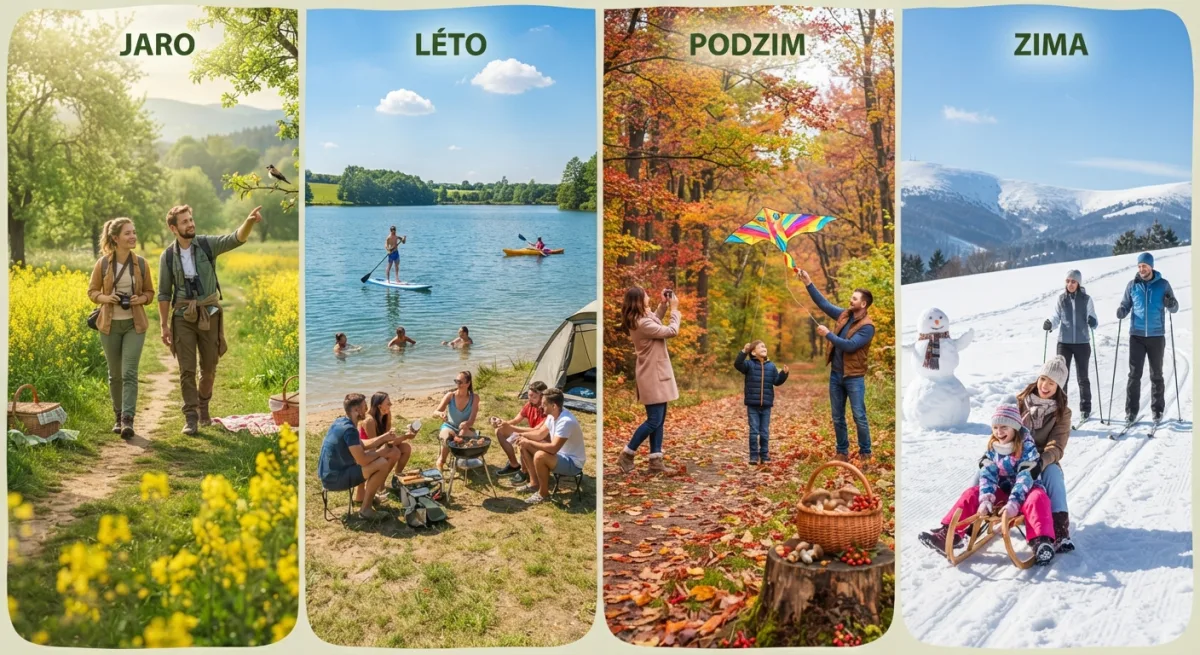
Příroda se neustále proměňuje a s ní i možnosti, jak trávit čas venku. Každé roční období přináší své jedinečné kouzlo, specifické počasí a s ním spojené ideální aktivity. Od svěžího jara po zasněženou zimu – pojďme se podívat, jak můžeme naplno využít potenciál každého období pro naše zdraví a radost.


Jaro: Probuzení k novým zážitkům


S příchodem jara se příroda probouzí k životu. Dny se prodlužují, slunce nabírá na síle a vzduch voní svěžestí. Po dlouhé zimě je to ideální čas vyrazit ven a načerpat novou energii.

  • Turistika a cyklistika: Stezky a cesty, které byly v zimě zapadané sněhem, se opět otevírají. Objevujte rozkvetlé louky, bzučící lesy a probouzející se krajinu.
  • Zahradničení a pikniky: Mnozí z nás se s radostí pouští do práce na zahradě. A co je lepší než si po práci odpočinout u pikniku v rozkvetlé přírodě?
  • Pozorování ptáků: Jaro je obdobím návratu stěhovavých ptáků. Vyzbrojte se dalekohledem a užijte si jejich zpěv a barvitou podívanou.

Léto: Čas slunce, vody a dobrodružství


Léto je synonymem pro teplo, dlouhé dny a nekonečné možnosti venkovních radovánek. Je to období dovolených a čas, kdy se nejvíce hrneme k vodě a do přírody.

  • Koupání a vodní sporty: Jezera, řeky, rybníky a bazény lákají k osvěžení. Plavání, paddleboarding, kajaking nebo jízda na lodi jsou skvělými způsoby, jak se vyrovnat s horkem.
  • Táboření a grilování: Noci pod hvězdami, praskání ohně a vůně grilovaného jídla – to je pravá letní idylka.
  • Festivaly a venkovní akce: Léto je plné hudebních, kulturních a gastronomických festivalů, které se konají pod širým nebem.
  • Horská turistika: Vyšší nadmořské výšky nabízejí příjemnější teploty a úchvatné výhledy.

Podzim: Barevná paleta a svěží vzduch


Podzim přináší chladnější, ale stále příjemné počasí a dechberoucí proměnu přírody. Listí hraje všemi barvami a vzduch je svěží a čistý.

  • Sbírání hub a lesních plodů: Lesy jsou na podzim plné pokladů. Procházka spojená se sběrem hub nebo šípků je ideální relaxací.
  • Drakiády: Větrné podzimní dny jsou jako stvořené pro pouštění draků na otevřených prostranstvích.
  • Procházky a fotografování: Barevná krajina je magnetem pro fotografy a nabízí nádherné scenérie pro klidné procházky.
  • Návštěvy vinic a sadů: Podzim je časem sklizně. Vyrazte na vinobraní nebo si natrhejte jablka přímo ze stromu.

Zima: Klid a radost ze sněhu


Zima s sebou přináší sníh, mráz a kratší dny, ale to neznamená, že bychom se měli zavřít doma. Naopak, zimní krajina má své neopakovatelné kouzlo a nabízí specifické aktivity.

  • Lyžování a snowboarding: Hory se promění v ráj pro milovníky zimních sportů. Sjezdovky i běžecké stopy lákají k aktivnímu pohybu.
  • Bruslení: Zamrzlé rybníky (pouze tam, kde je to bezpečné a povolené!) nebo umělá kluziště poskytují skvělou zábavu pro celou rodinu.
  • Zimní procházky a sáňkování: Procházka zasněženou krajinou je balzámem pro duši. A sáňkování či bobování potěší nejen děti.
  • Stavění sněhuláků a iglú: Když napadne dostatek sněhu, popusťte uzdu fantazii a tvořte sněhová umělecká díla.

Závěr: Každé období má co nabídnout


Jak vidíme, každé roční období má své jedinečné kouzlo a nabízí nepřeberné množství venkovních aktivit. Klíčem je přizpůsobit se aktuálním podmínkám a vybavit se správným oblečením a vybavením. Nechejte se inspirovat rytmem přírody a objevujte krásy venkovního světa po celý rok. Vždyť čerstvý vzduch a pohyb jsou nejlepším lékem na duši i tělo.
', 'rocni obdobi a venkovni aktivity', 'rocni obdobi a venkovni aktivity', 1, 1), (14, 'how to retain more water in the landscape', 'how-to-retain-more-water-in-the-landscape', 'Lead paragraph', '

Why is water retention in the landscape crucial for our future?


In recent years, the Czech Republic, like many other countries, has been grappling with extreme weather phenomena. Periods of prolonged drought, which dry out the soil and lower groundwater levels, alternate with torrential rains, causing local floods and erosion. The key to solving these problems is to learn how to effectively manage water directly in the landscape – to slow down its runoff and allow it to seep into the soil, where it can be used by plants and replenish underground reserves. Water retention in the landscape is an investment in a more resilient and healthier future.


Basic principles of effective water management


The principle of water retention in the landscape rests on several pillars:

  • Slowing down runoff: Water should not drain quickly from the surface but should have enough time to seep in.
  • Increasing soil infiltration capacity: Healthy soil rich in organic matter acts like a huge sponge that can absorb large amounts of water.
  • Restoration of natural water regimes: Returning to natural solutions such as meandering streams, wetlands, and pools that naturally regulate the water balance.
  • Vegetation as a key element: Plants not only slow down runoff but also improve soil structure and increase its water retention capacity.

Specific measures in different types of landscapes


Agricultural landscape: Soil as a water reservoir


Agricultural soil represents enormous potential for water retention. Proper management can significantly increase its retention.

  • Contour farming: Plowing and sowing along contours slows down water runoff and prevents erosion.
  • Grass strips in valleys and field margins: Green belts in valleys and between fields act as natural filters and infiltration areas.
  • Growing cover crops and intercrops: These crops protect the soil from erosion, improve its structure, and increase organic matter content.
  • Agroforestry: The combination of trees, shrubs, and agricultural crops creates a more stable ecosystem that manages water better.
  • No-till farming: Minimizing plowing maintains soil structure and increases humus content, thereby improving water infiltration.
  • Restoration and construction of small water features: Ponds, swales, and small reservoirs capture surface water and allow for its gradual infiltration.

Forests and forest management: Natural water management systems


Forests are natural regulators of the water regime. Their health is crucial for water retention.

  • Mixed and species-rich forests: Such forests are more resistant to drought and manage water better than monocultures.
  • Respecting forest wetlands and peat bogs: These ecosystems are natural water reservoirs, and their protection is crucial.
  • Leaving deadwood: Deadwood in the forest retains water, provides refuge for biodiversity, and gradually decomposes, enriching the soil.
  • Sustainable forest management: Minimizing heavy machinery prevents soil compaction and maintains its infiltration capacity.

Municipalities and cities: Urban landscape as a water sponge


Even in cities, which are often synonymous with impermeable surfaces, water can be effectively retained.

  • Green roofs and facades: They not only retain rainwater but also cool the surroundings and improve the microclimate.
  • Permeable surfaces: Replacing asphalt and concrete with permeable paving, gravel, or grass pavers allows water to infiltrate directly on site.
  • Rain gardens and infiltration swales: These elements capture rainwater from surrounding areas and allow for its gradual infiltration.
  • Disconnecting downspouts from the sewage system: Diverting rainwater to the property, into tanks, or infiltration pits reduces the load on the sewage system and replenishes groundwater.
  • Planting trees and shrubs: Urban greenery not only retains water but also provides shade and reduces street temperatures.

Watercourses and wetlands: Restoration of natural functions


The revitalization of watercourses and the protection of wetlands are crucial for the overall water balance of the landscape.

  • Stream revitalization: The return of meanders, restoration of floodplains and inundation areas allows water to spread into the landscape and slowly infiltrate.
  • Restoration of wetlands and pools: Wetlands are natural filters and water reservoirs that regulate runoff and support biodiversity.
  • Removal of unnecessary barriers: Making streams passable for fish and other aquatic animals restores the natural dynamics of the ecosystem.

Multiple benefits of water retention in the landscape


Water retention measures bring a wide range of positive impacts:

  • Mitigation of drought impacts: Increasing groundwater reserves and soil moisture helps the landscape better withstand dry periods.
  • Flood protection: Slowing down runoff reduces the risk and intensity of floods.
  • Improved water quality: Vegetation and wetlands act as natural filters, purifying water from pollutants.
  • Support for biodiversity: The restoration of wetlands, pools, and a more diverse landscape creates new habitats for plants and animals.
  • Improvement of local microclimate: More water in the landscape and more greenery leads to cooling and humidifying the air.
  • Soil stabilization: Slowing down runoff and vegetative cover reduce soil erosion.

Shared responsibility for water


Water retention in the landscape is not a task for individuals or a single sector. It is a complex challenge that requires cooperation among farmers, foresters, urban planners, local governments, and each one of us. Every small step, from a rain garden in the backyard to extensive stream revitalizations, contributes to the overall resilience of our landscape. It is an investment in the health of our nature and the quality of life for future generations.

← Zpět na seznam článků